
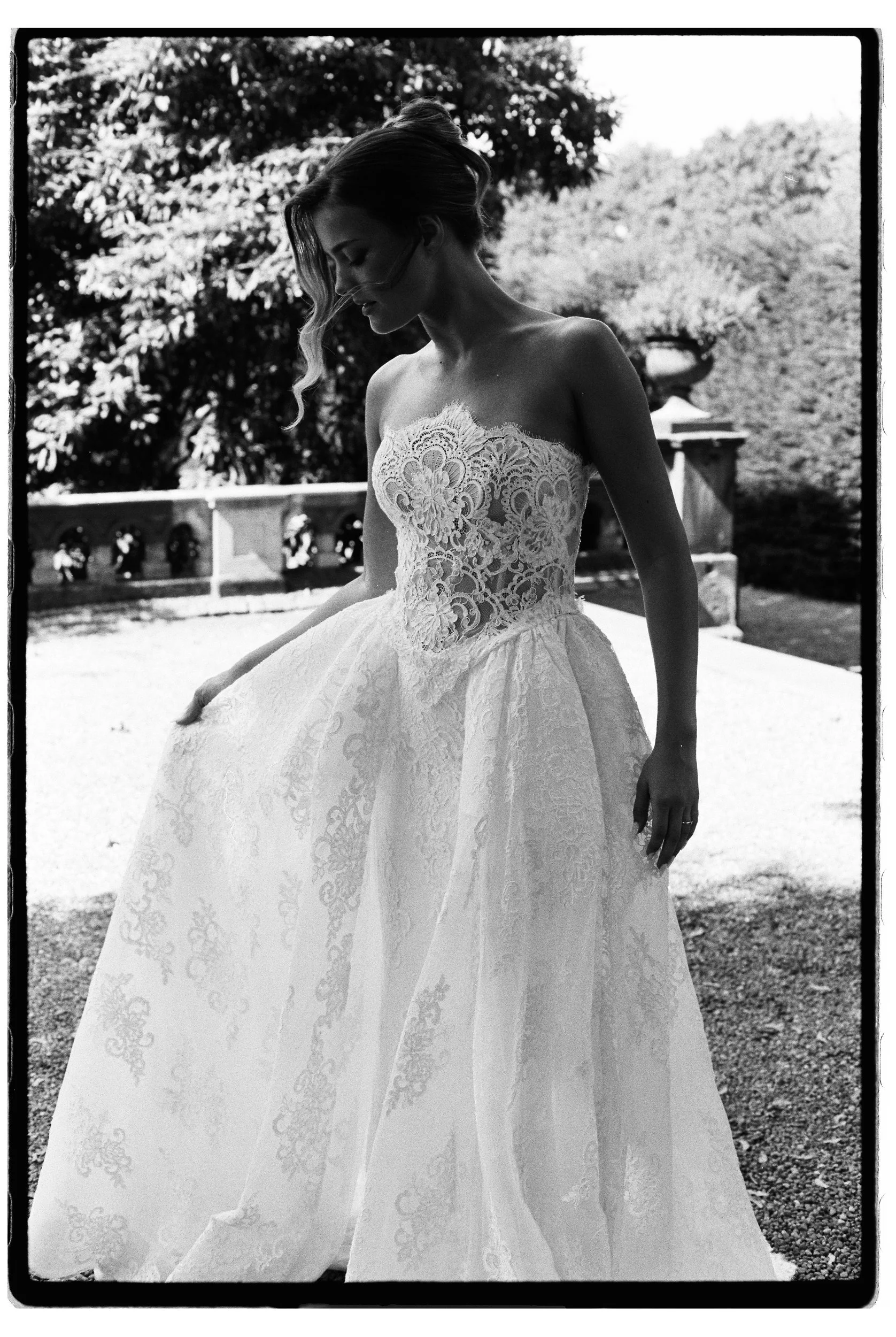
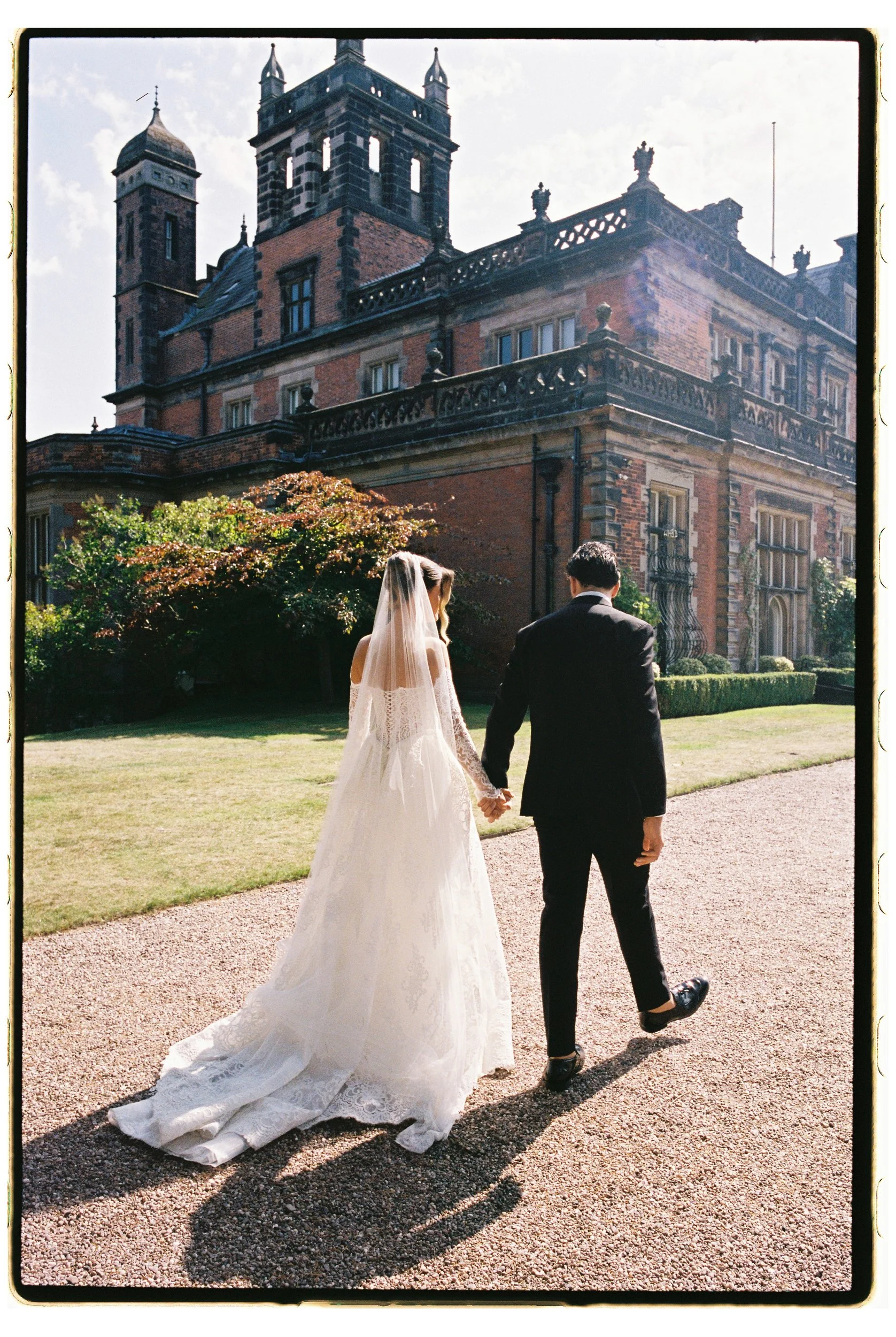
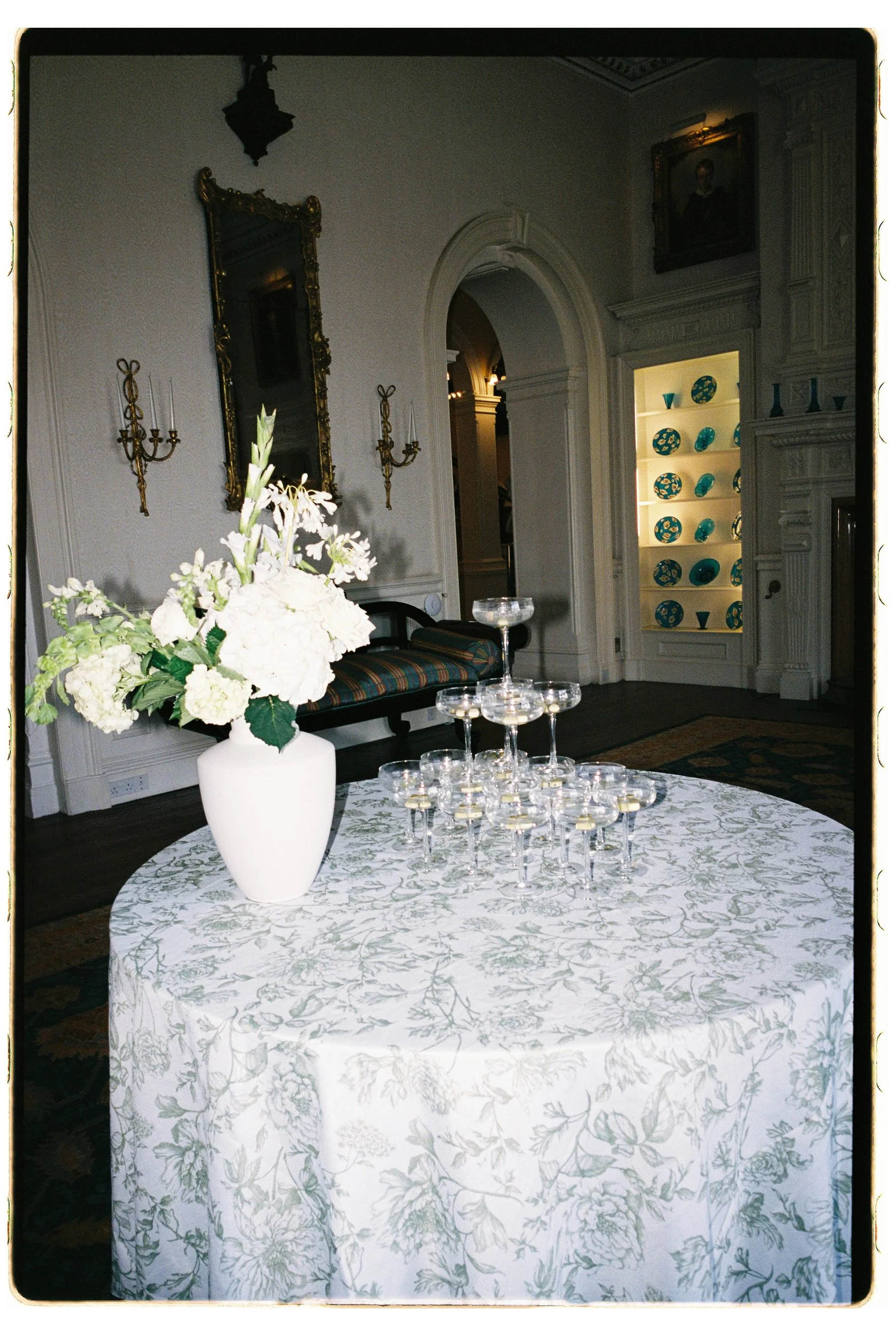
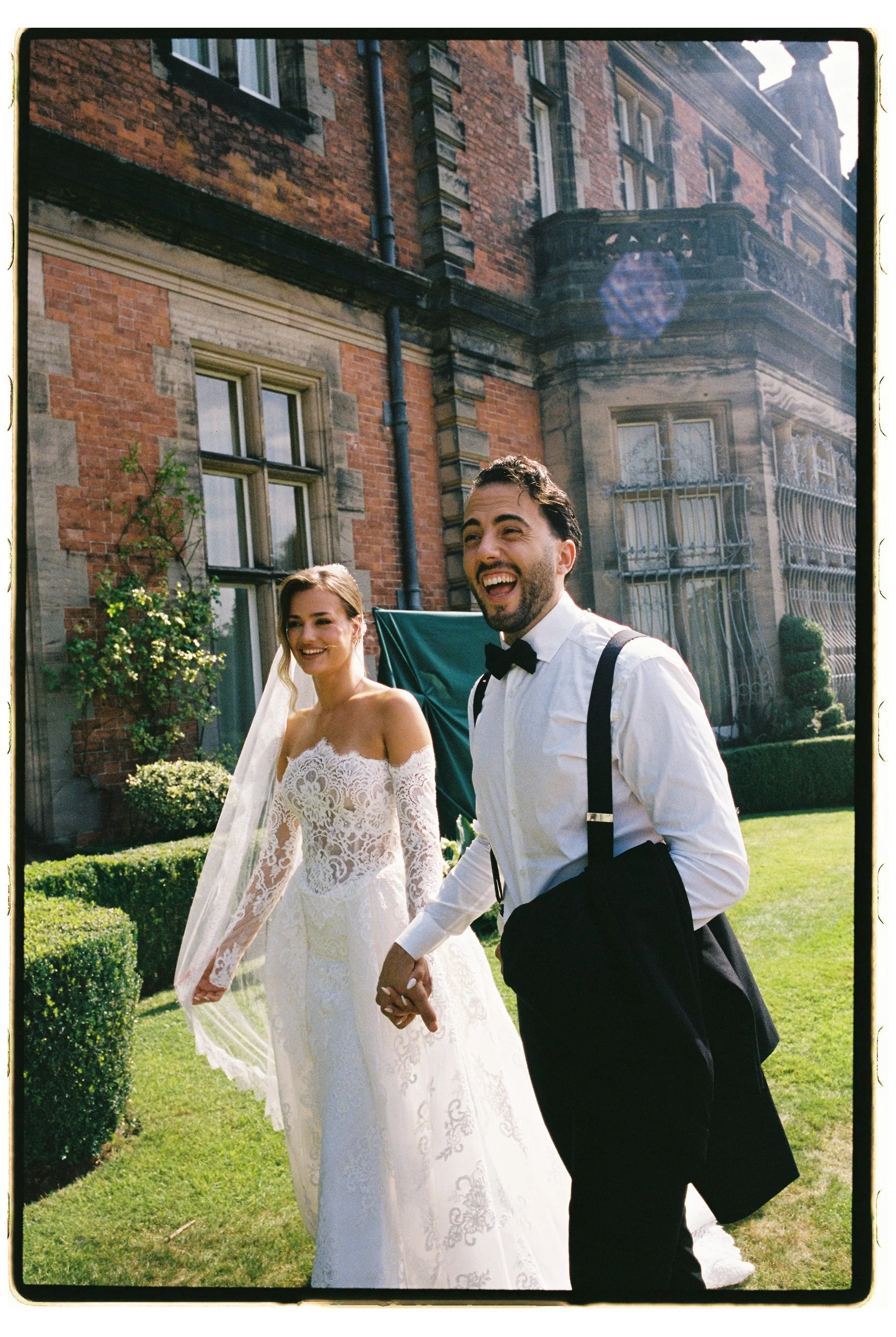
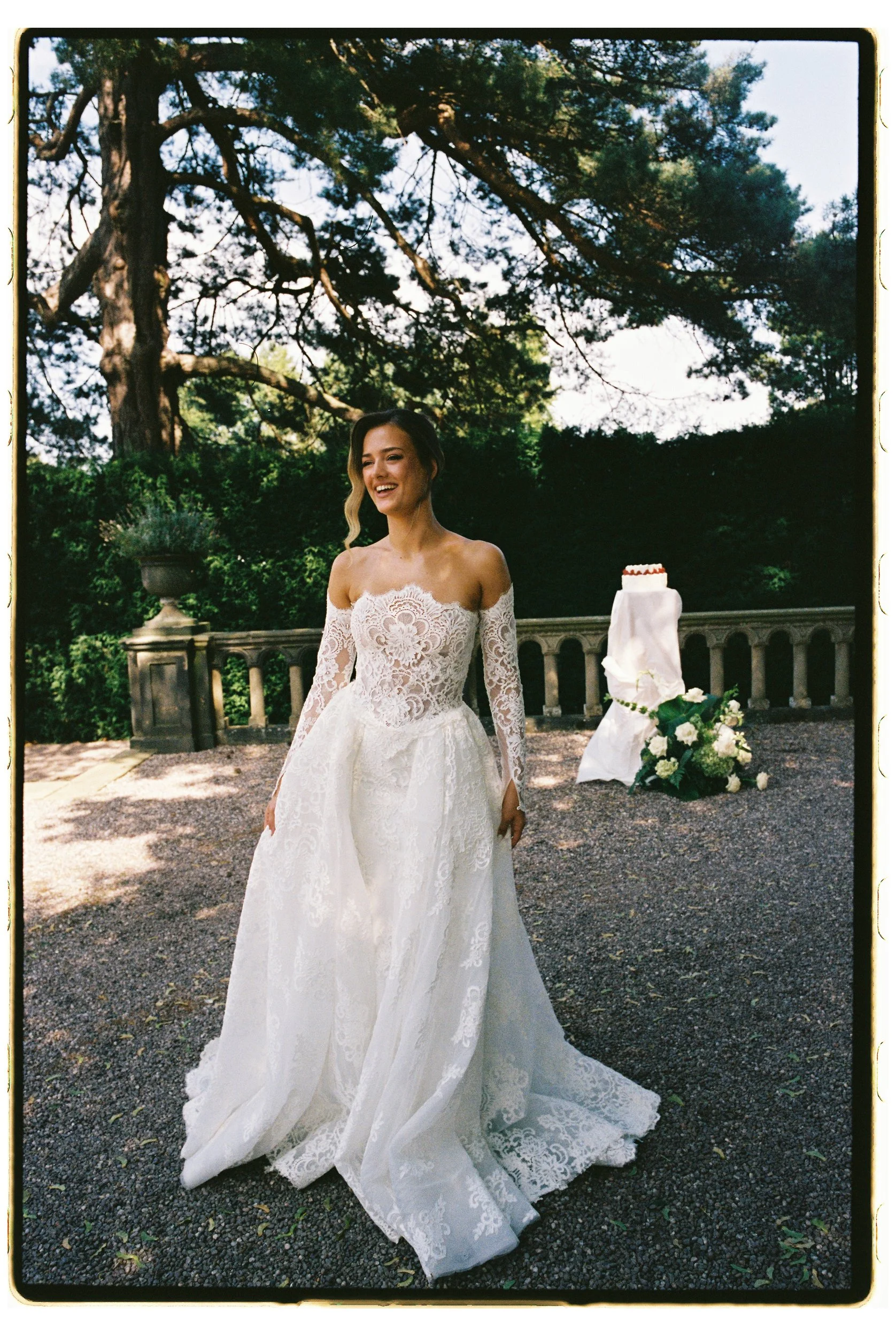
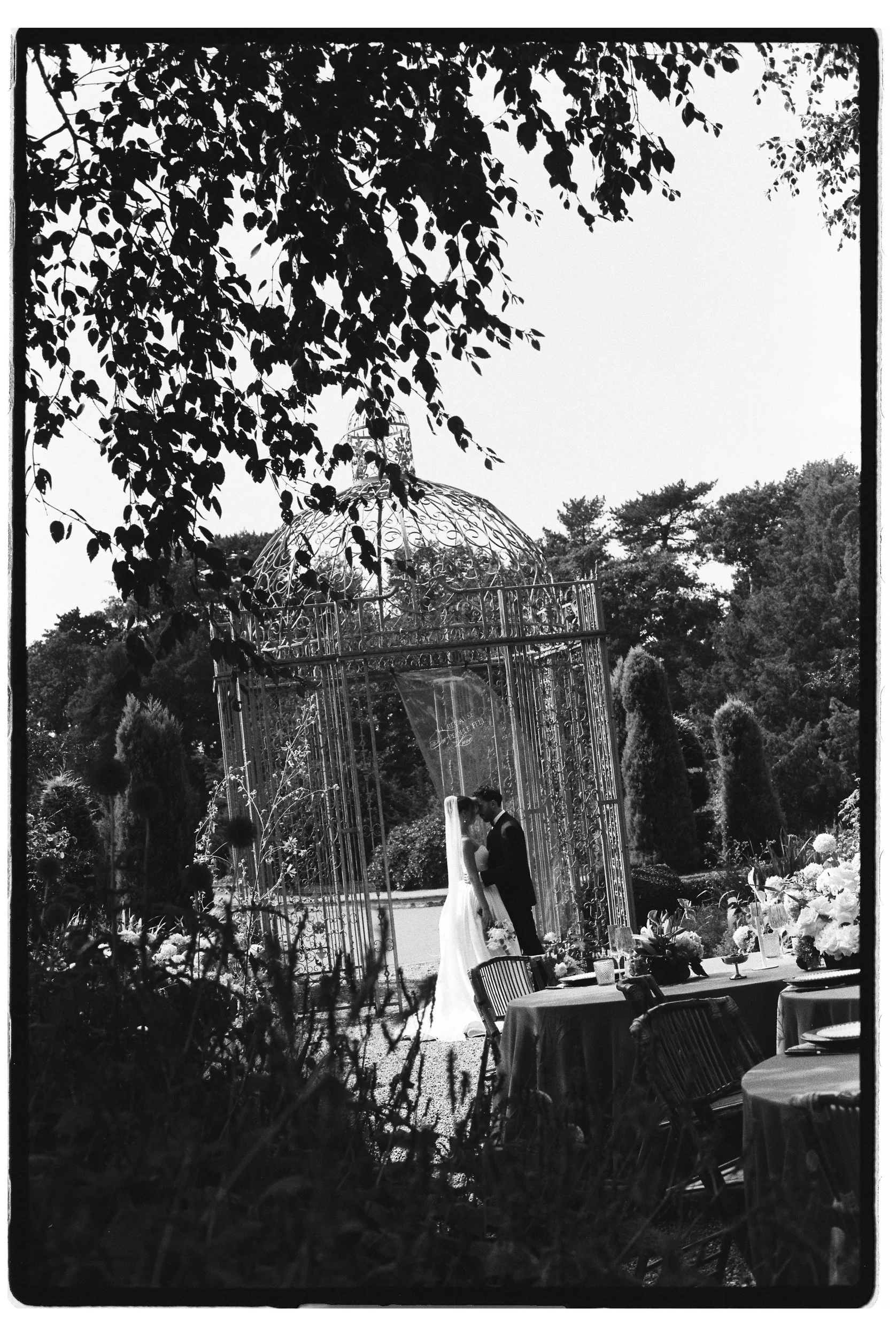
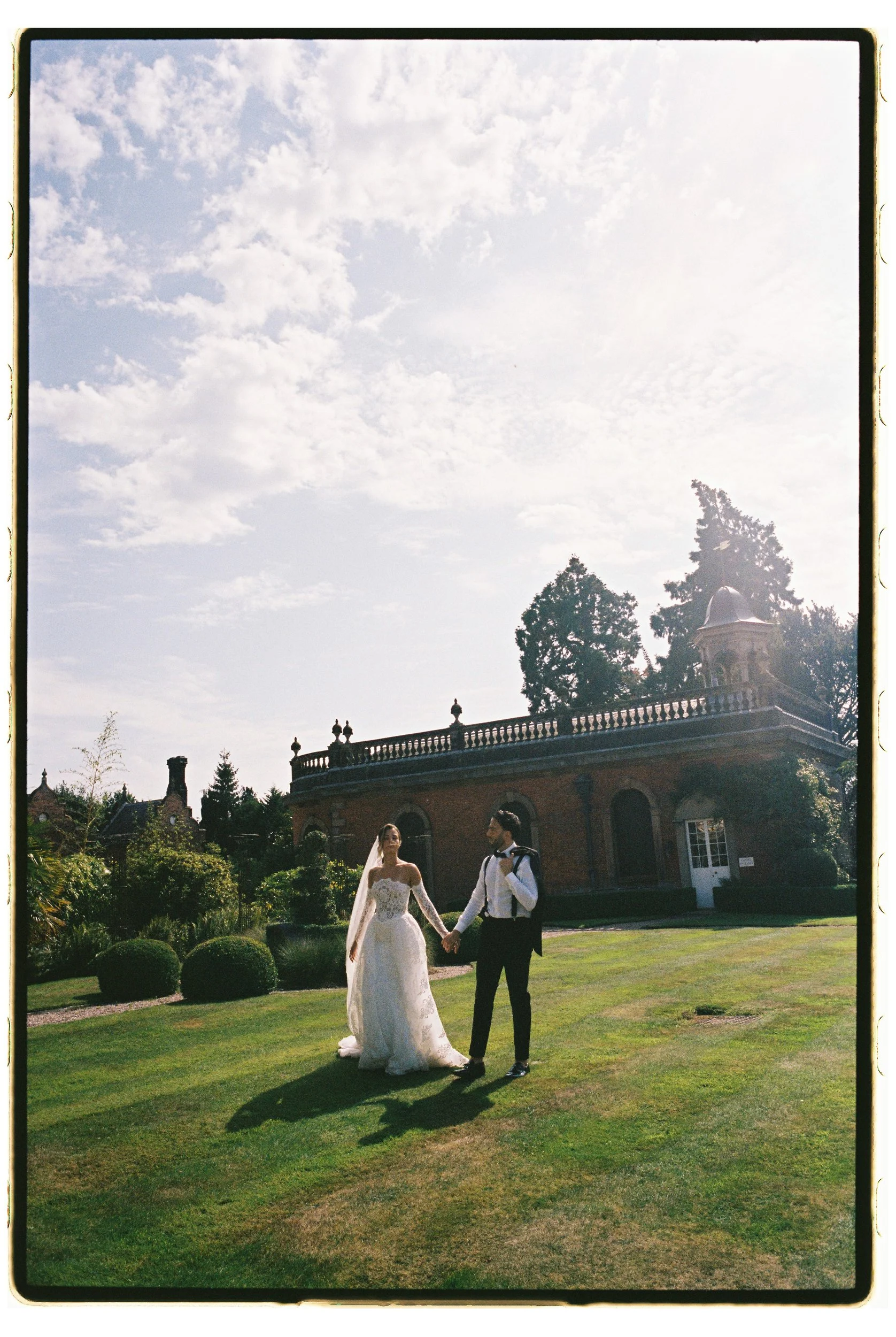
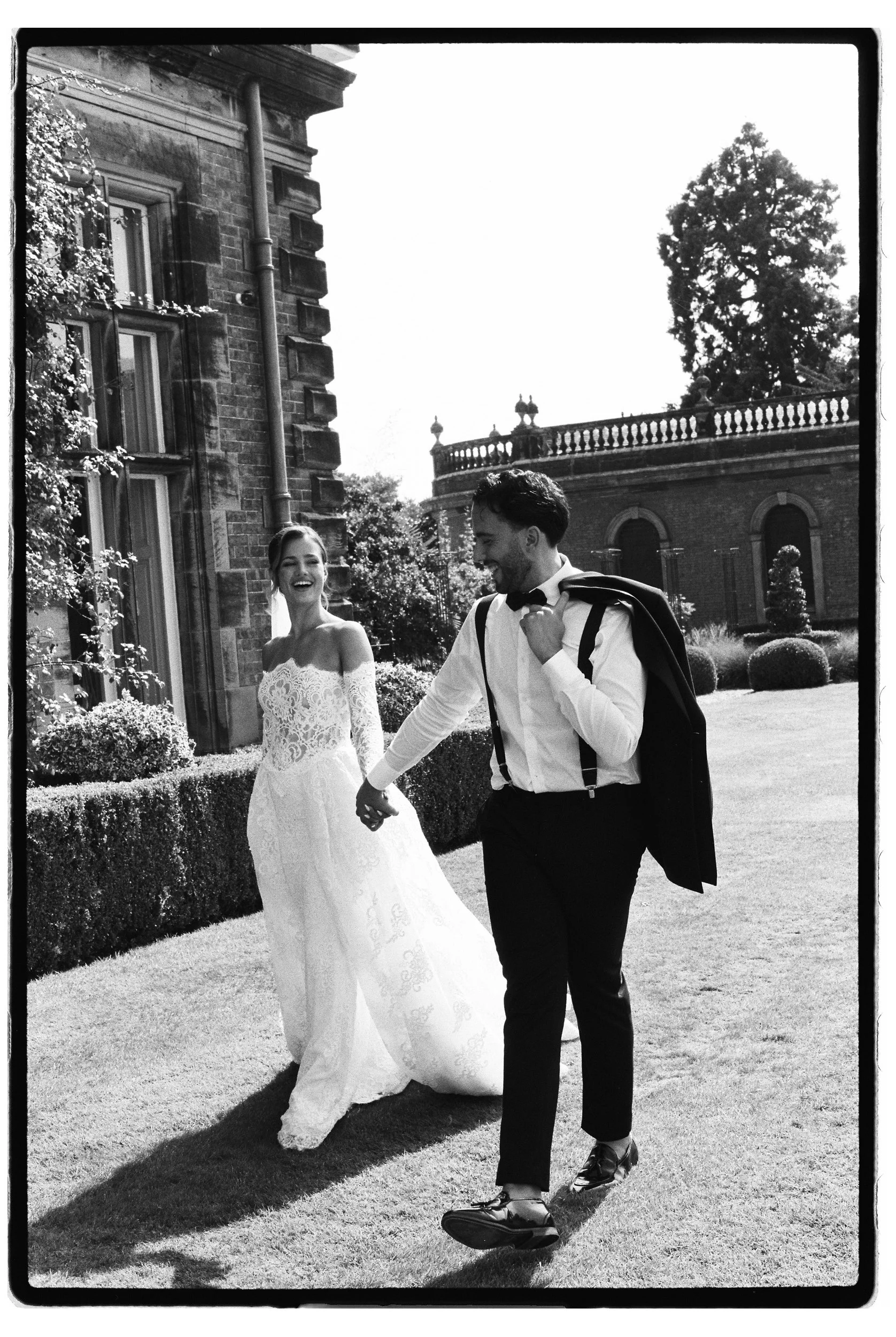
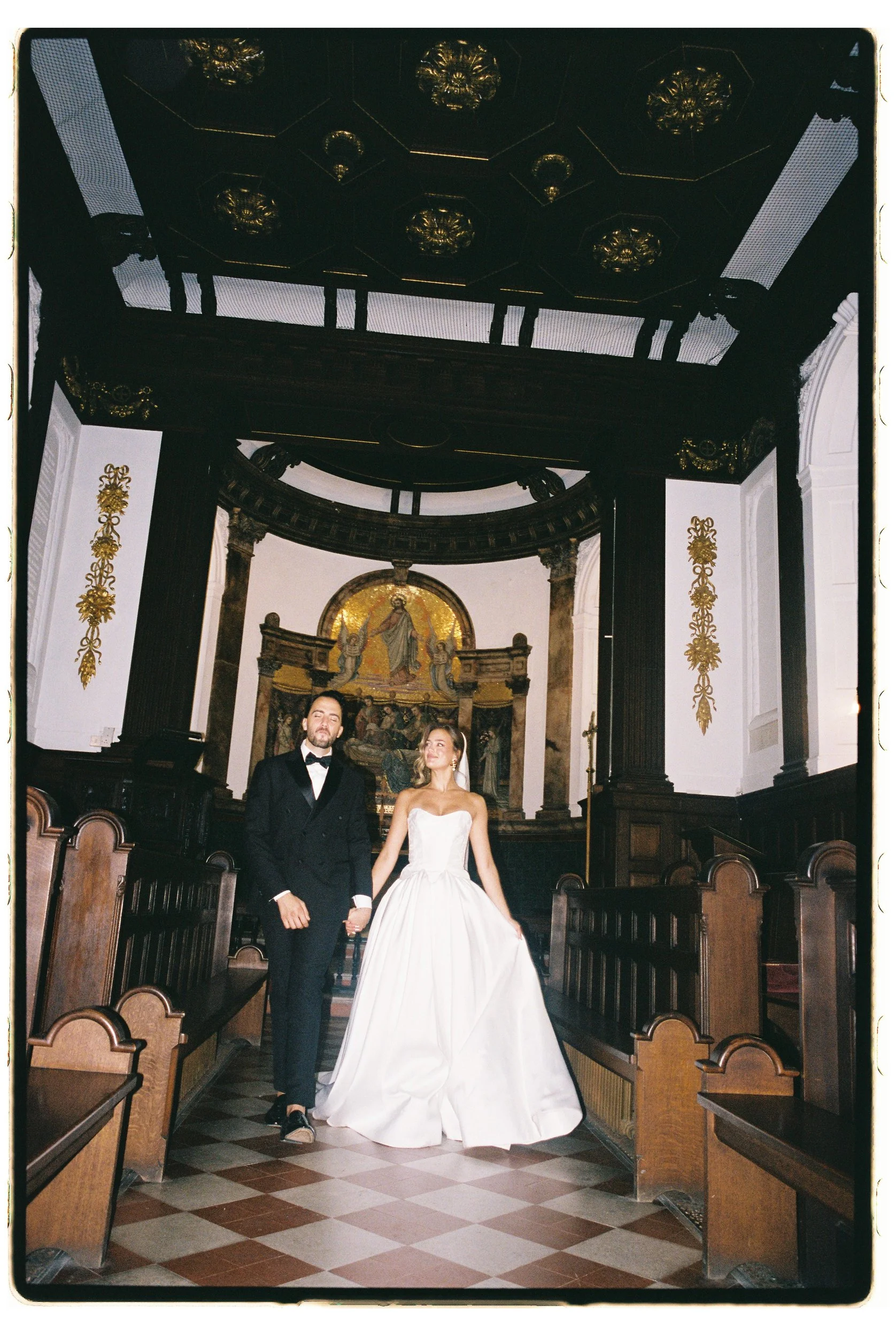
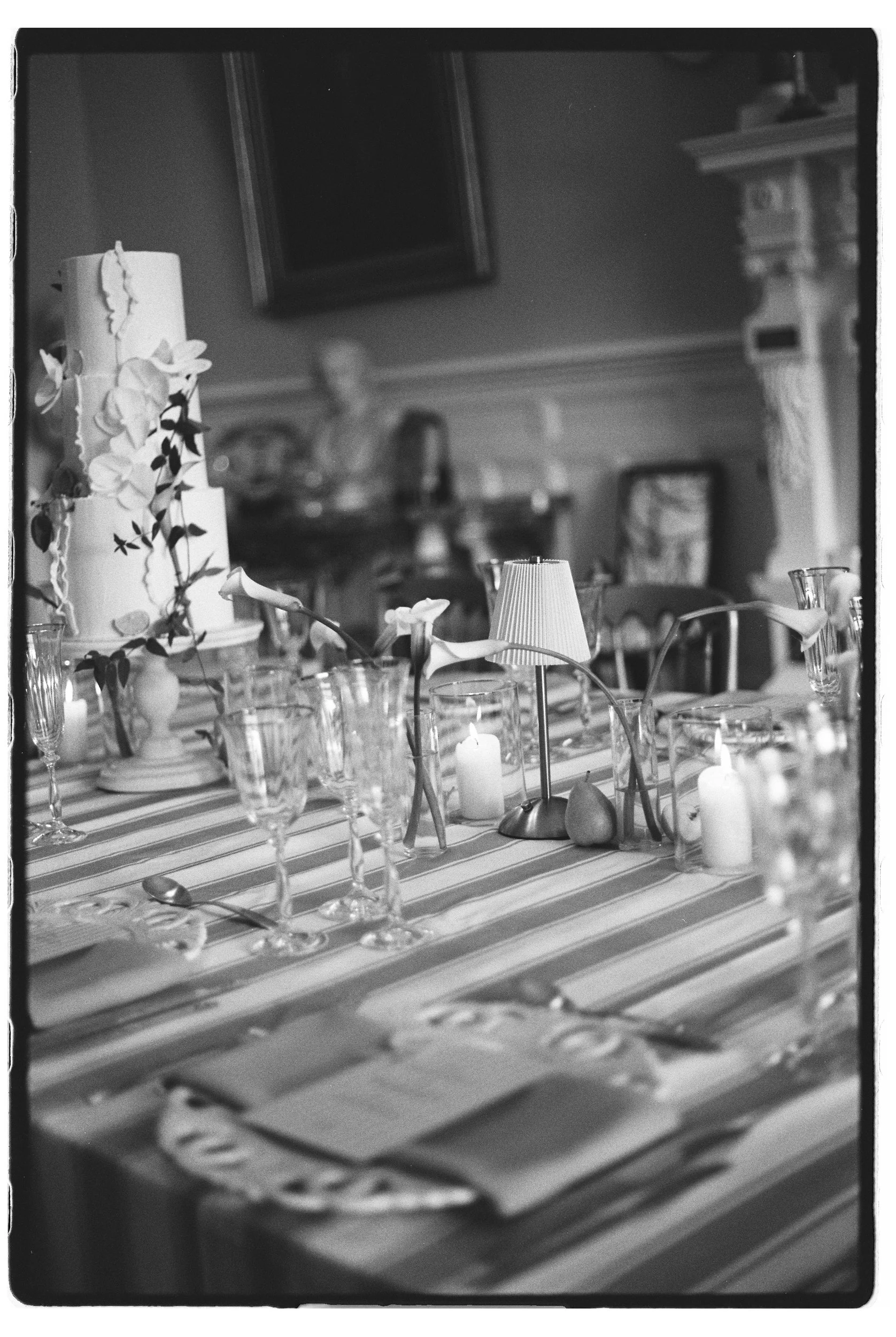
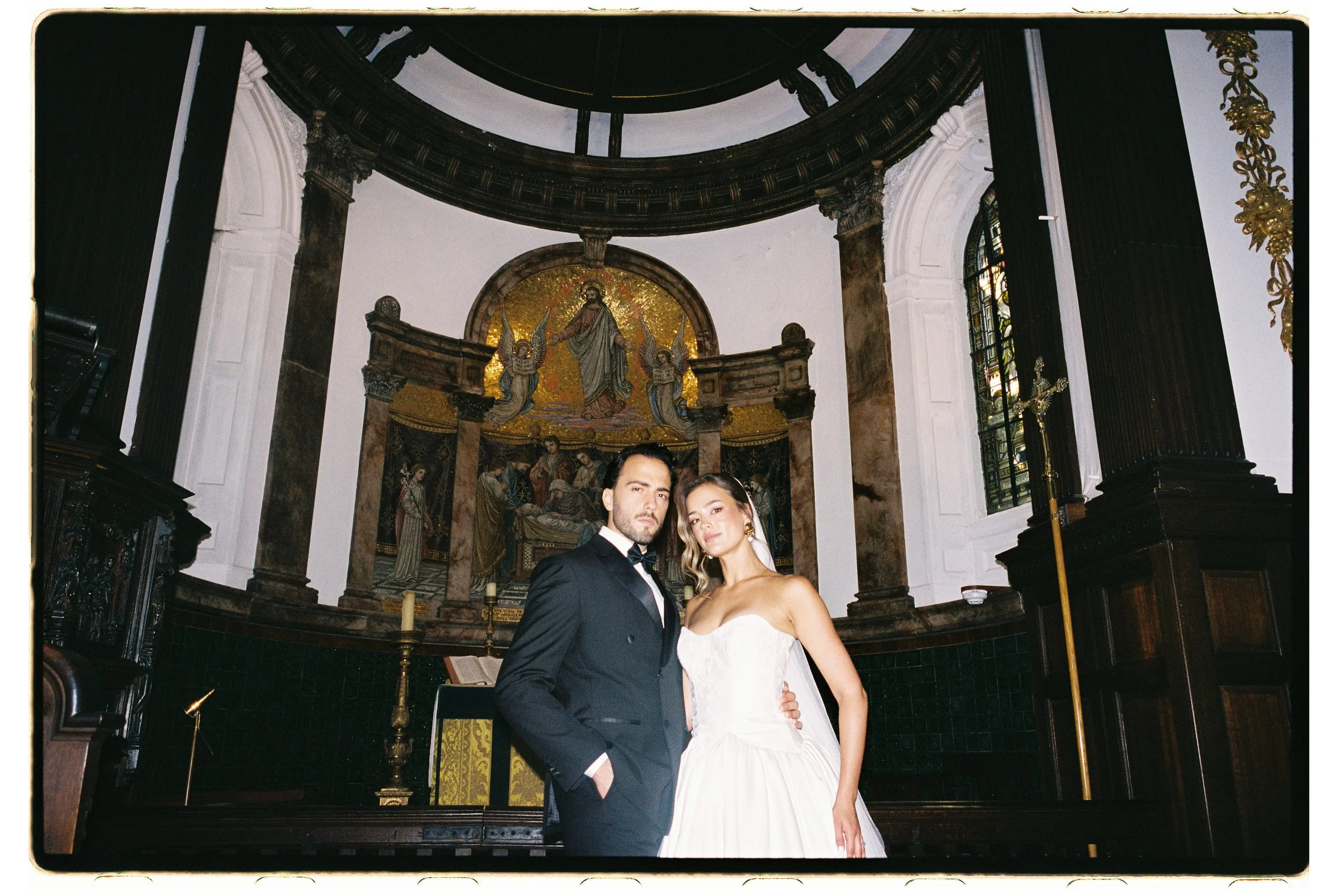
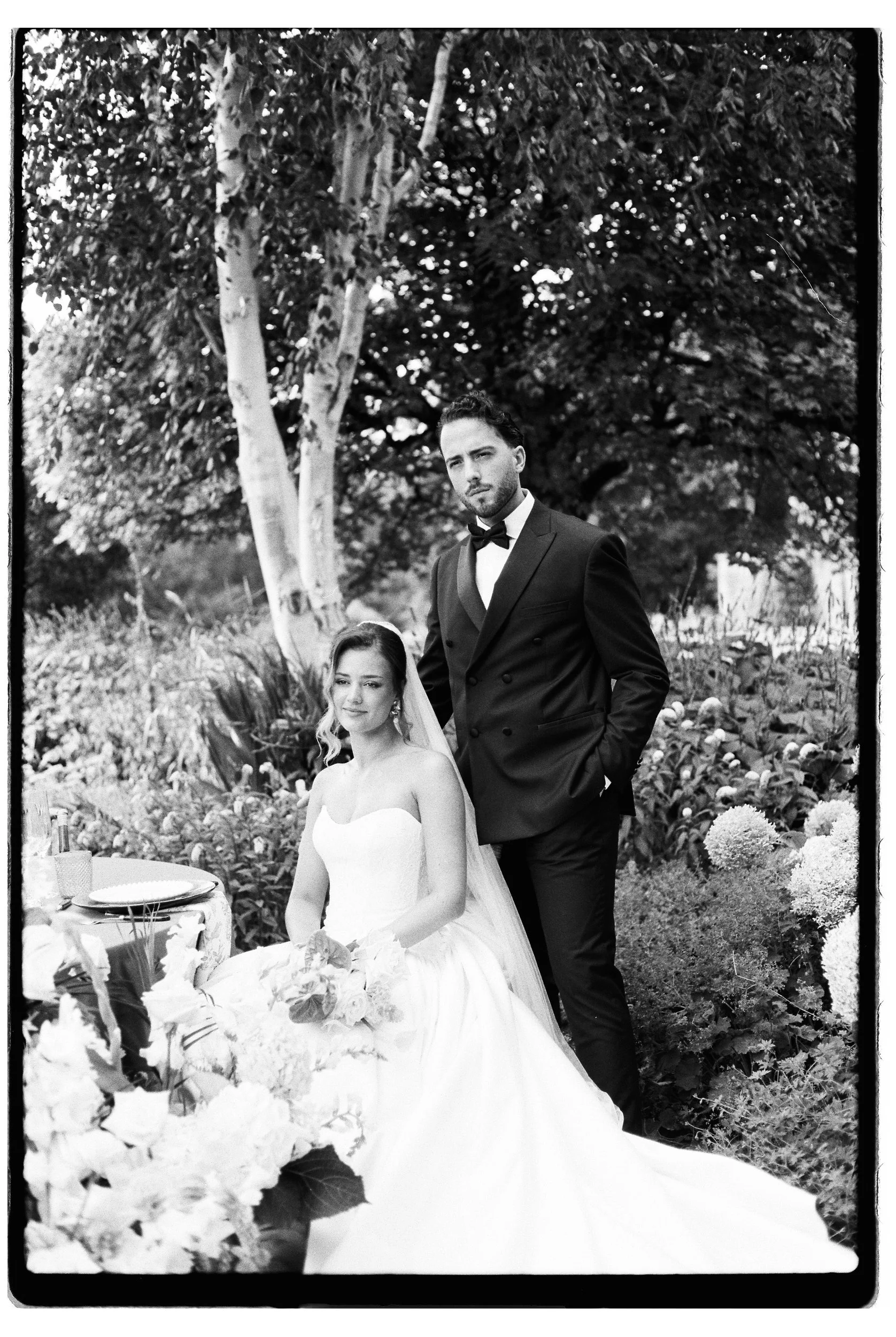
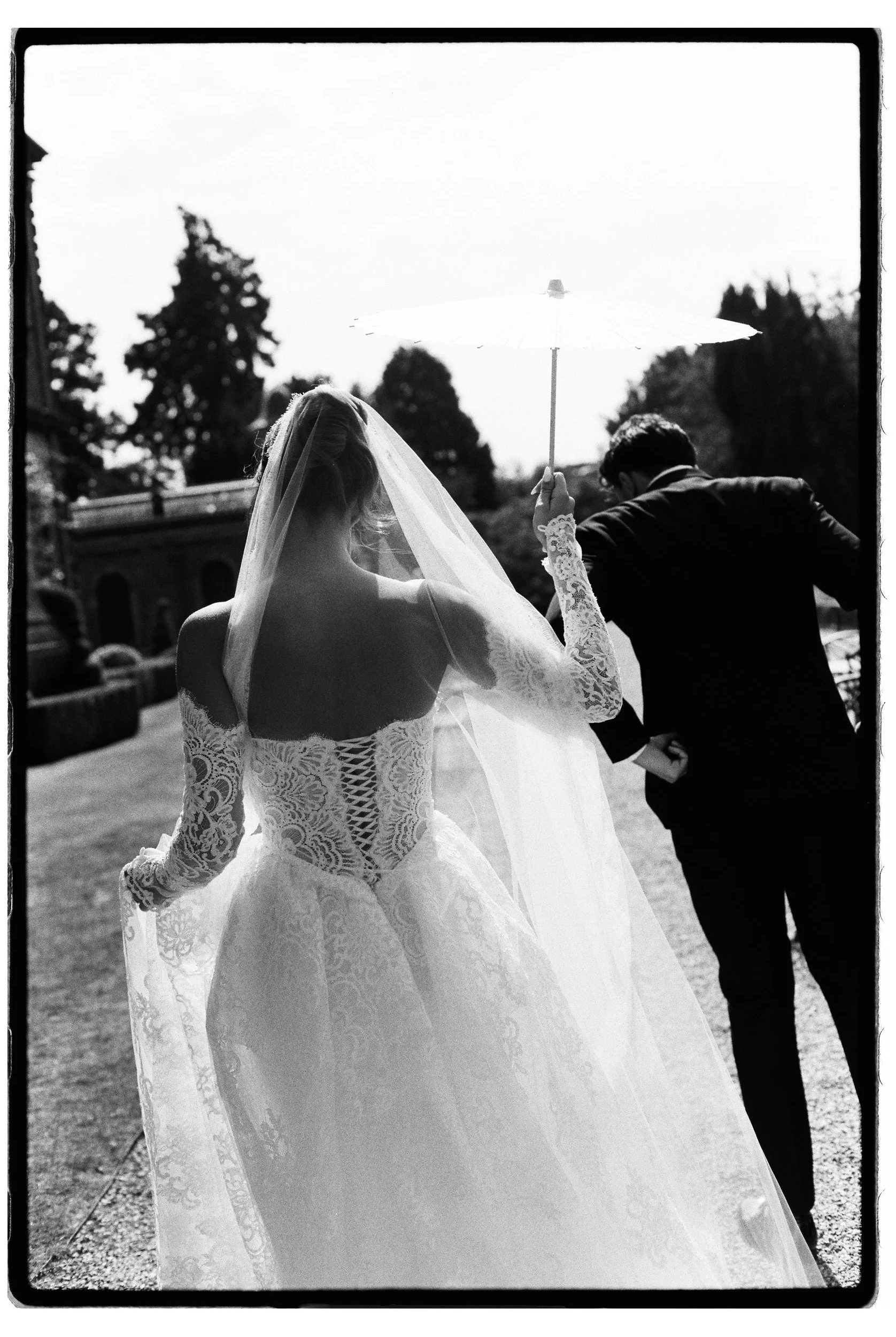
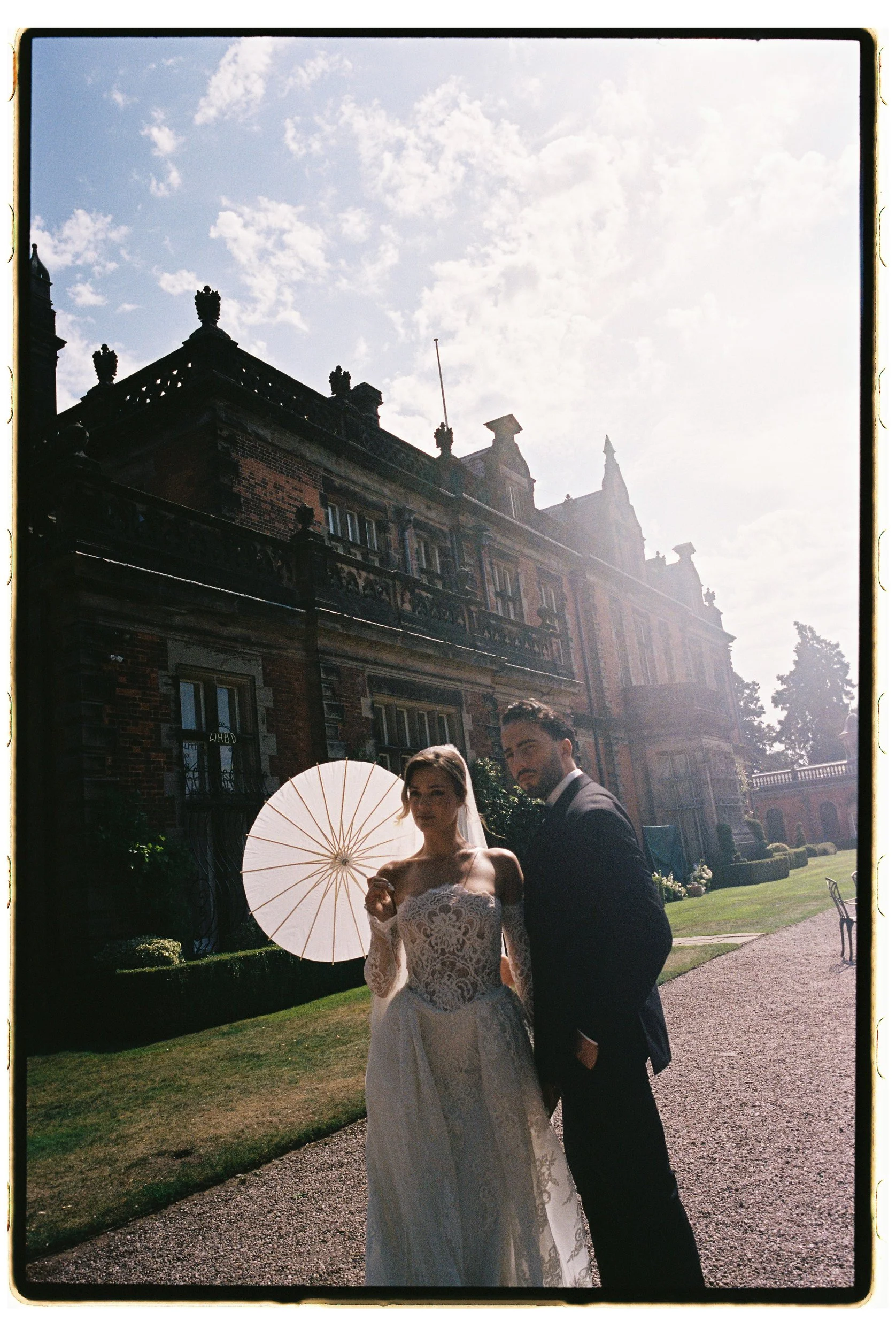
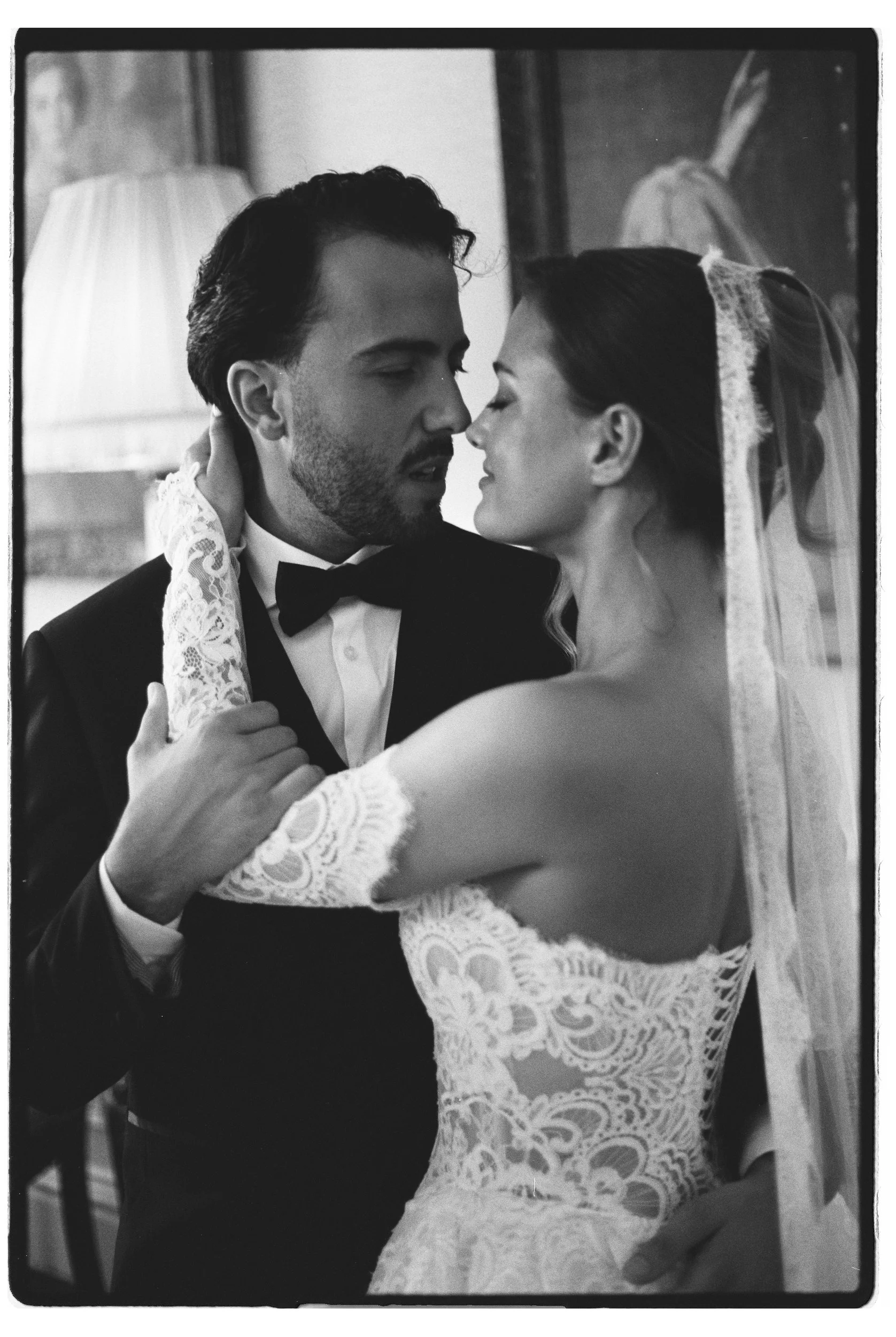
35mm film at Capesthorne Hall
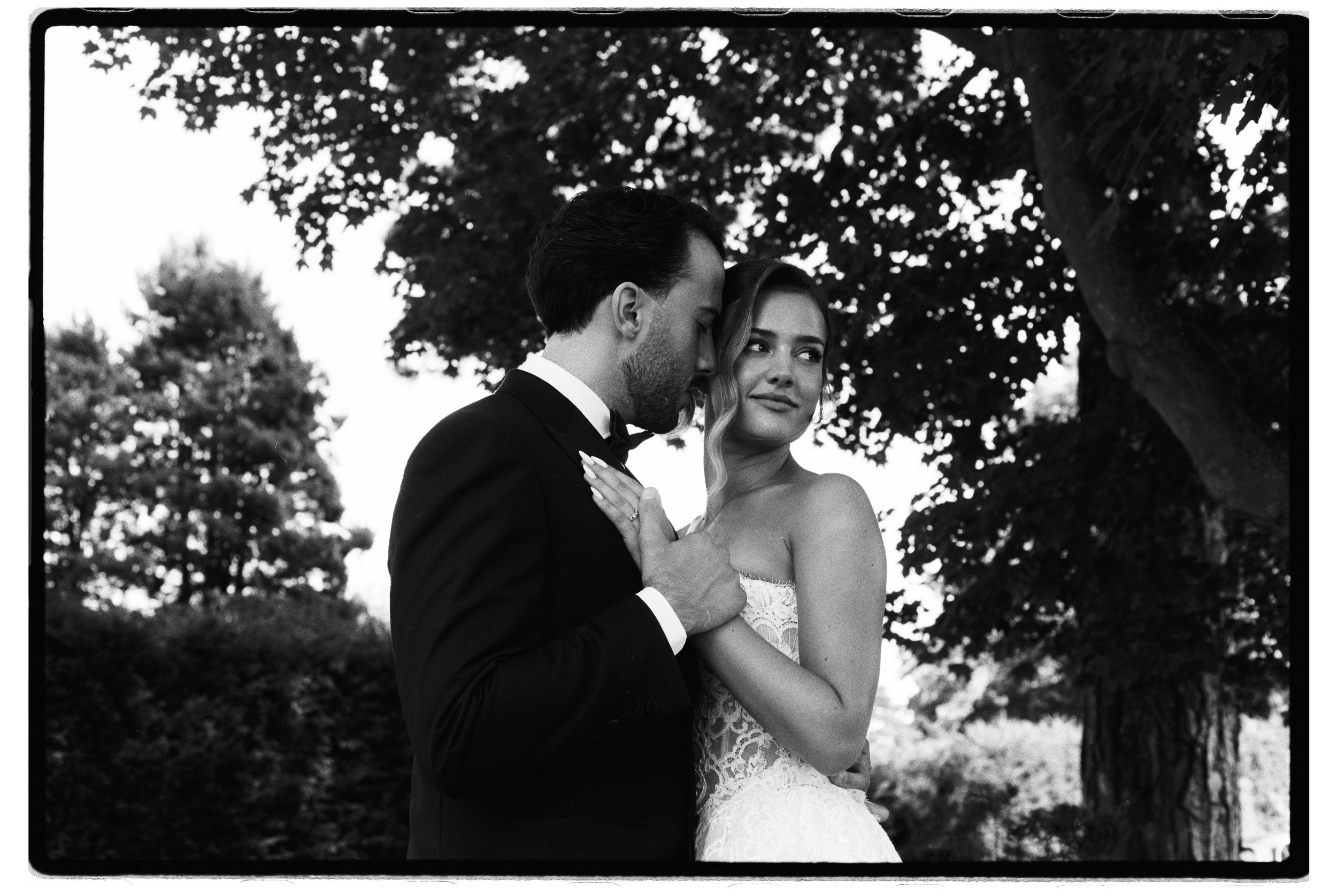
The Timeless Beauty of Analogue Photography: Nostalgia, Memory Boxes, and Worn Edges
Why Analogue Photography Still Matters in a Digital World?
In an age where thousands of images live and disappear on our phones, analogue photography offers something slower, deeper, and more permanent. Film forces us to pause. Each frame is intentional. Each click carries weight.
Unlike digital files that sit forgotten in cloud storage, film photographs exist physically. They age, they fade, they gather meaning over time. And that tangible quality is exactly why analogue photography continues to resonate so strongly today.
The Power of Nostalgia in Film Photography
There’s a certain warmth to analogue photos that digital filters try—but often fail—to replicate. It’s not just about grain or color tones; it’s about memory.
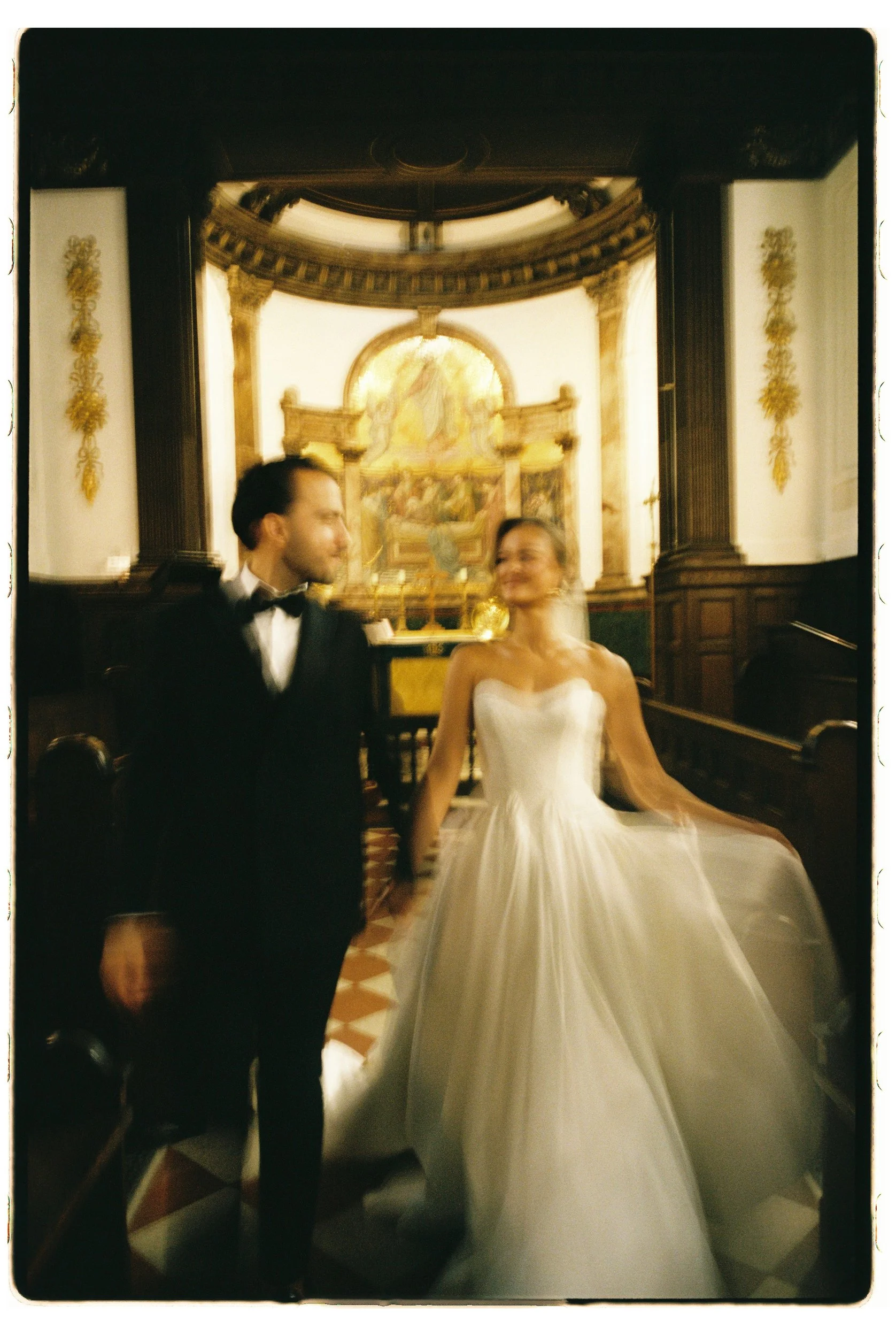
Film captures imperfections:
Light leaks
Soft focus
Unexpected color shifts
These imperfections mirror how we actually remember life—not as crisp, perfect stills, but as emotional fragments. Looking at a film photograph often feels like stepping back into a moment rather than simply viewing it.
Memory Boxes: Where Photographs Become Stories
Before smartphones, memories were often stored in boxes—shoeboxes filled with prints, envelopes of negatives, and scattered moments frozen in time.
Memory boxes are more than storage. They are archives of lived experience.
Inside, you might find:
A faded photo from a childhood holiday
A slightly blurred birthday snapshot
A stack of prints held together by a worn elastic band
Each image carries context beyond the frame: the feel of the paper, the handwritten notes on the back, the order in which they were kept. Together, they form a narrative that no digital gallery can quite replicate.
The Beauty of Photos Worn at the Edges
One of the most striking qualities of analogue photographs is how they age.
Edges soften. Corners bend. Colors shift. Surfaces scratch.
These changes are not flaws—they are evidence of a life well-lived.
A photograph worn at the edges tells its own story:
It has been held, passed around, revisited
It has traveled through time alongside its owner
It has mattered enough to be kept
In contrast, digital images remain untouched and unchanged, often unseen after their first glance.
Analogue Photography as a Mindful Practice
Shooting film encourages presence. With limited exposures, photographers become more attentive to composition, light, and timing.
This mindfulness transforms photography into an experience rather than a habit.
You begin to notice:
The way light falls in late afternoon
The subtle expressions people make between posed moments
The quiet details that usually go unseen
Preserving Memories in a Disposable Culture
We live in a time where content is created to be consumed instantly and forgotten just as quickly. Analogue photography resists this cycle.
It asks us to slow down, to print, to keep, to revisit.
A photograph tucked into a memory box or displayed on a wall becomes part of daily life. It’s not just data—it’s a physical reminder of who we were, where we’ve been, and what we’ve felt.
Final Thoughts: Why Film Endures
Analogue photography endures because it aligns with something deeply human: the desire to hold onto moments.
Not perfectly. Not permanently. But meaningfully.
The worn edges, the faded tones, the forgotten boxes under the bed—these are not signs of decay. They are proof that a memory has lived.
And in a world that moves faster every day, that kind of permanence is more valuable than ever.
Suppliers
Venue- Capesthorne Hall Cheshire
Planner - My prettiest
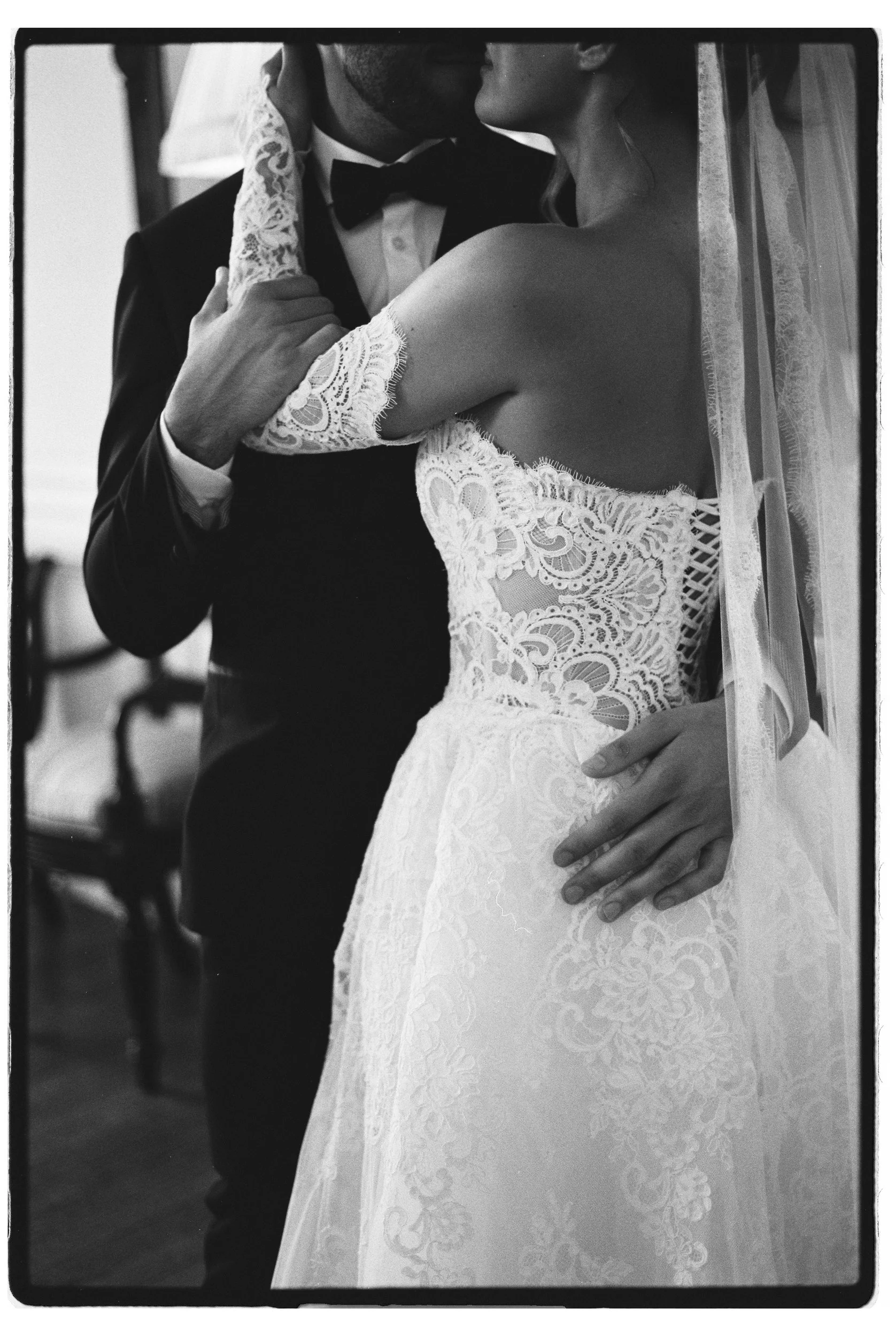
Dress Chloe Jane Bridal
Shoes JimmyChoo
